Charting the Rise of Grid-Based Slot Formats: Landmark Developments in the Industry
Iris Schmidt · Aug 27, 2026
Charting the Rise of Grid-Based Slot Formats: Landmark Developments in the Industry
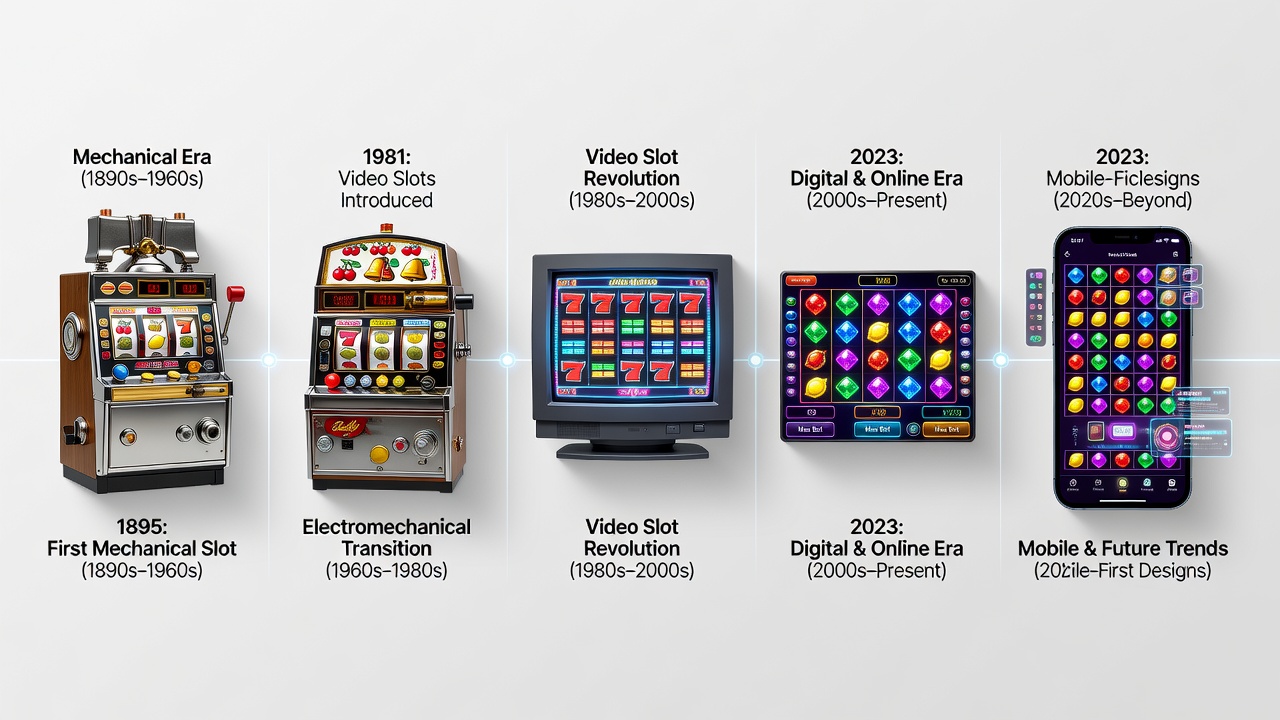
Grid-based slot formats began with simple three-reel mechanical devices in the late nineteenth century, where fixed paylines across a compact grid determined outcomes, and operators soon expanded these structures to accommodate growing player interest in varied symbol arrangements. Manufacturers introduced five-reel configurations by the 1970s, which allowed more rows and columns while maintaining traditional left-to-right win evaluations, and this shift marked an early milestone that set the foundation for later digital adaptations.
Transition to Video and Expanded Grids
Video technology arrived in the 1980s and enabled developers to increase grid sizes beyond physical reel limitations, so five-by-three layouts became standard in many markets while some titles experimented with additional rows to create more symbol positions. Data from industry reports show that these expansions coincided with the rise of microprocessor controls, which handled complex win calculations across multiple lines without mechanical constraints. Observers note that by the mid-1990s, grid variations started incorporating ways-to-win systems that paid for matching symbols anywhere on adjacent reels rather than fixed lines, and this change broadened payout possibilities in electronic machines.
Regulatory bodies in North America tracked these format changes closely, with the Nevada Gaming Control Board documenting approval processes for new grid configurations that maintained fairness standards. Those who studied early video slots found that larger grids required updated random number generators to ensure balanced distribution across increased symbol spaces, and manufacturers responded by refining algorithms accordingly.
Introduction of Dynamic and Expanding Formats
Cluster pays mechanics emerged in the early 2000s and replaced linear evaluations with adjacent symbol groupings on the grid, allowing wins to form in multiple directions without traditional paylines. Research indicates this approach gained traction after several European operators tested prototypes in land-based venues, and subsequent software updates enabled seamless transitions to online platforms. One notable advancement involved cascading or tumbling reels, where winning symbols disappeared and new ones fell into place, effectively extending the grid action within a single spin cycle.
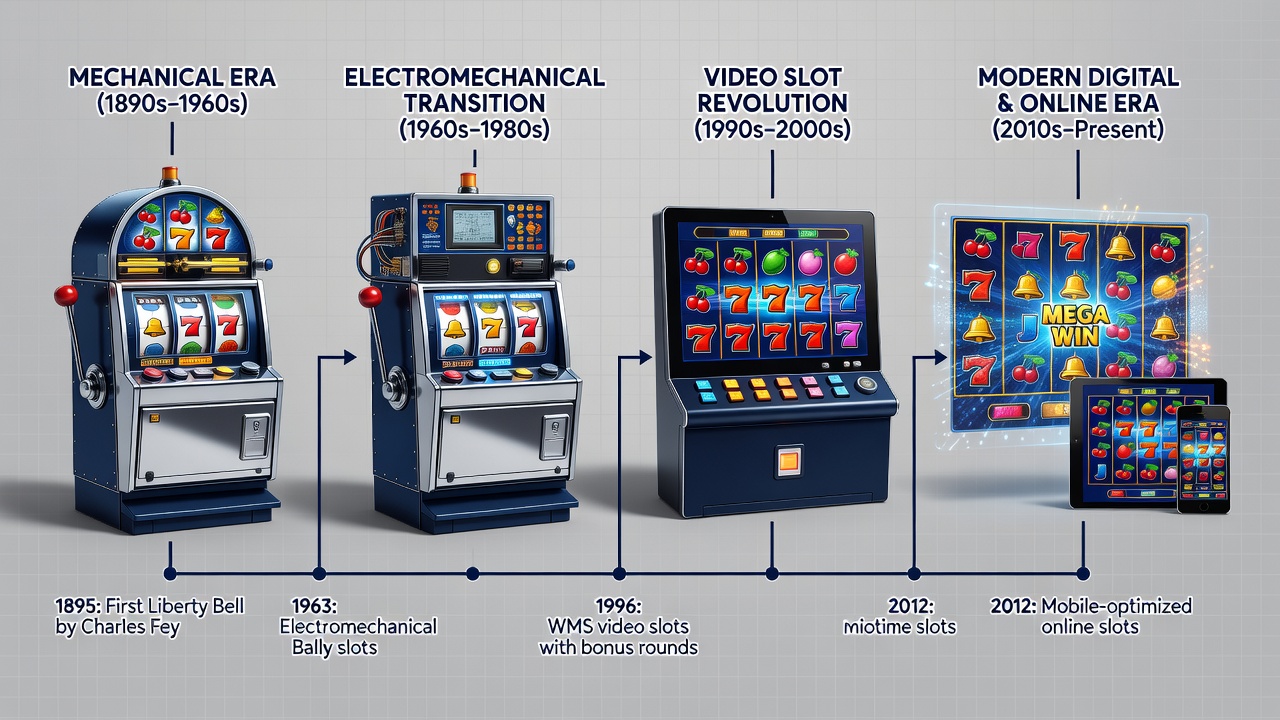
Megaways systems, introduced around 2016, represented a significant milestone by varying the number of symbols per reel on each spin, which produced fluctuating grid heights up to 117,649 potential outcomes in some configurations. Figures from gaming associations reveal steady adoption across multiple jurisdictions as providers licensed the mechanic for widespread use, and similar variable-reel concepts followed from other studios seeking comparable flexibility. Australian regulatory records highlight how these formats underwent testing to confirm compliance with local gaming standards before market entry.
Recent Innovations and Global Adoption
Hold-and-win features layered additional grid elements onto base formats, often through special coin symbols that locked in place and triggered respins until a set number of positions filled. Studies from research institutions demonstrate that these mechanics increased engagement metrics in tracked sessions, while developers continued refining grid interactions with multipliers and expanding wilds. By 2025, several titles incorporated infinity reel expansions that added columns progressively during bonus rounds, pushing grid boundaries further without fixed limits.
Industry organizations such as the American Gaming Association have compiled data on format evolution, showing how grid innovations spread from North American casinos to international markets. Canadian provincial regulators similarly evaluated these changes, and their reports note consistent updates to testing protocols that addressed the computational demands of larger, dynamic grids. What's interesting is how mobile adaptations preserved core grid logic while optimizing touch interfaces for smaller screens, allowing seamless play across devices.
In August 2026, new hardware integrations appeared in select venues that supported even higher symbol counts per reel, and operators reported smooth rollouts after prior certification rounds. External analyses from academic sources, including a University of New South Wales gaming technology review, examined these trends and confirmed that grid-based advancements maintained mathematical integrity despite added complexity. Those who've followed the sector observe that cross-platform compatibility became essential as grids evolved, ensuring consistent performance whether accessed via desktop or portable units.
Conclusion
Grid-based slot formats have progressed through successive milestones that reflect technological, regulatory, and design advancements spanning more than a century. Each stage built upon prior structures, from fixed mechanical reels to variable digital arrangements that continue shaping current offerings. Data across regions shows sustained development driven by both innovation and compliance requirements, and this trajectory suggests ongoing refinements in the years ahead.