Layered Visuals and Sound Design Driving Player Retention in Mobile Progressive Jackpot Games
Iris Schmidt · Nov 5, 2026
Layered Visuals and Sound Design Driving Player Retention in Mobile Progressive Jackpot Games
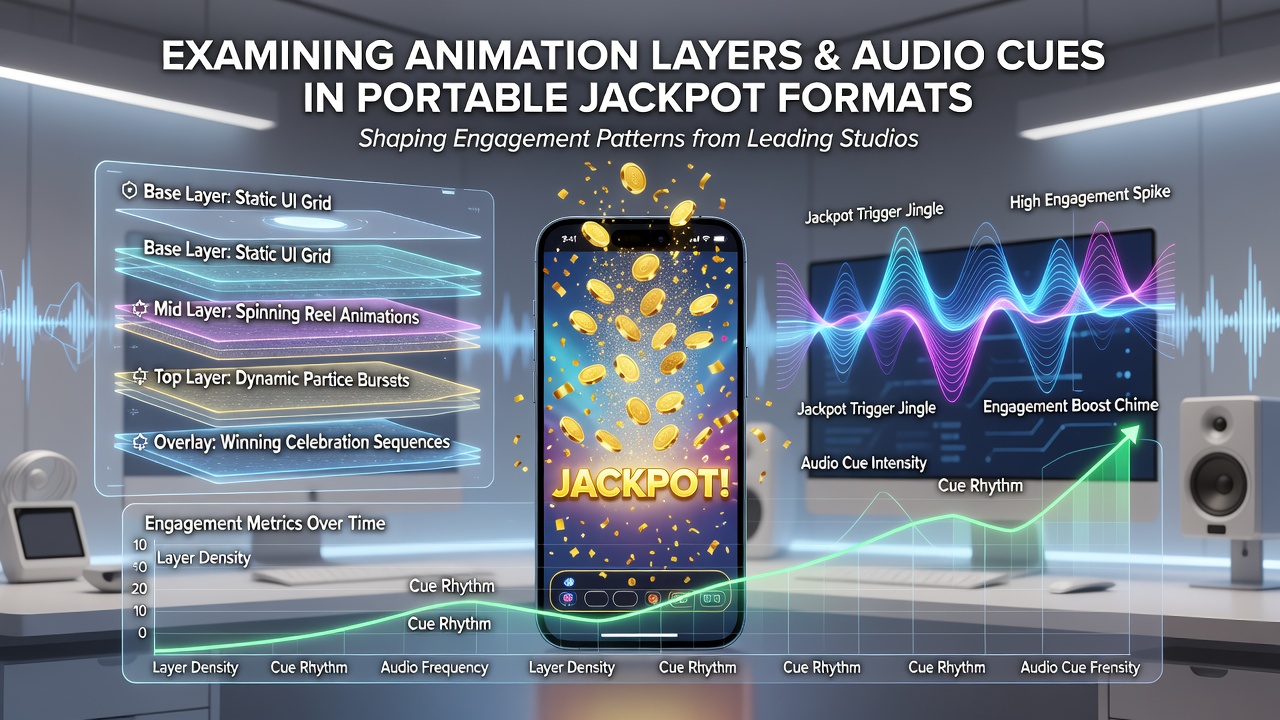
Leading studios have refined animation layers in portable jackpot formats by stacking multiple visual elements that respond dynamically to player actions, and data from industry reports show these layers correlate with extended session durations across mobile platforms. Developers combine background environments, foreground symbol movements, particle systems, and progressive jackpot meters into single scenes that render smoothly on smaller screens, while researchers note that such complexity maintains visual interest without overwhelming device resources.
Animation Layer Construction in Portable Formats
Studios build animation layers through modular rendering pipelines that separate static backgrounds from interactive foreground elements, and this approach allows real-time adjustments based on device performance metrics. Mobile jackpot titles often feature four to six distinct layers that include reel symbols with independent animations, overlay effects for wins, and expanding jackpot counters that scale with bet size. Observers note that when these layers activate in sequence during bonus rounds, engagement metrics such as spin frequency increase according to aggregated platform analytics.
Progressive jackpot formats add further layers through shared network meters that update across devices, and the visual feedback loop created by synchronized animations across multiple players has been tracked in technical white papers from development teams. Those who analyze telemetry data find that layered animations triggered by near-miss outcomes sustain attention spans longer than single-layer designs, particularly in titles released after mid-2025 updates.
Audio Cues and Their Integration Patterns
Audio design in these formats relies on layered soundtracks that blend ambient loops with event-specific triggers, and studies indicate the combination influences player pacing during jackpot builds. Sound engineers layer base music tracks beneath reel spin effects, win chimes, and escalating tension tones that rise with jackpot meter progress, while compression techniques ensure clarity on mobile speakers and headphones alike.
Leading providers synchronize audio cues with animation layers so that a symbol cascade coincides with a rising musical swell and particle burst, and telemetry from several platforms reveals this pairing extends average play sessions by measurable intervals. Data collected through November 2026 shows consistent patterns where titles with adaptive audio that responds to win streaks maintain higher return rates compared to static sound designs.
Combined Effects on Engagement Metrics
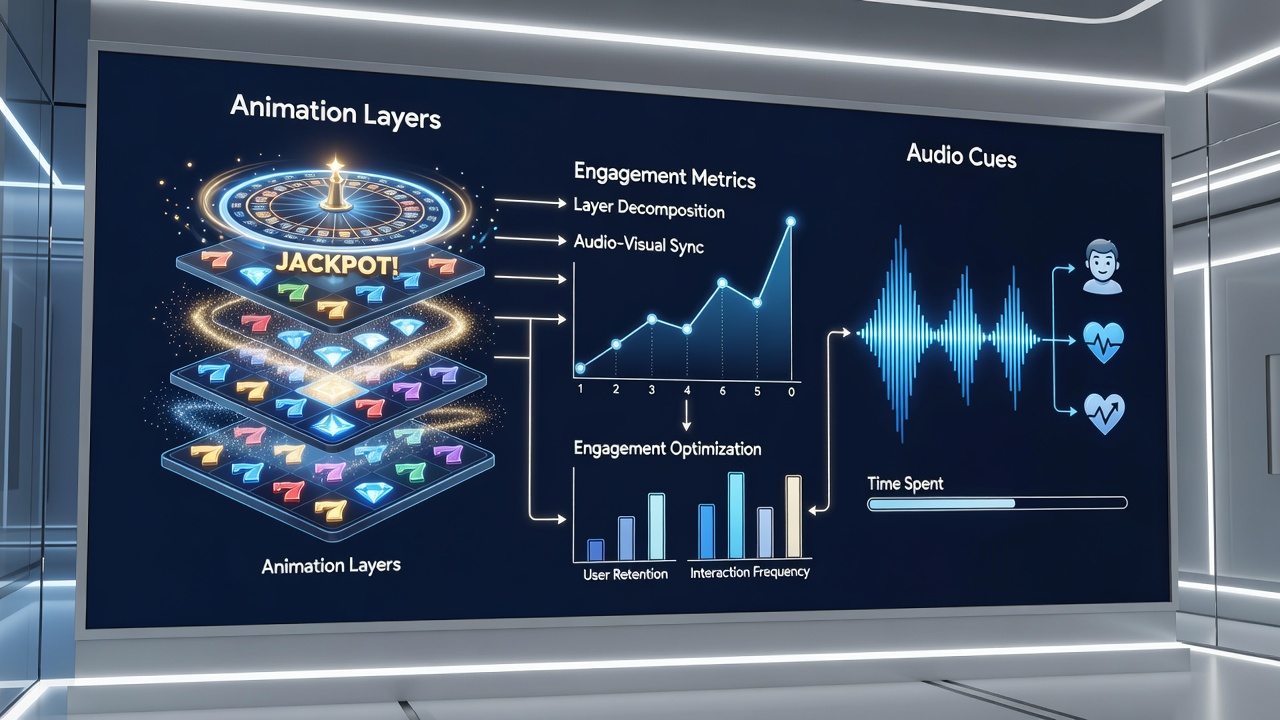
Research from gaming psychology departments at institutions such as the University of Nevada demonstrates that synchronized animation and audio layers create feedback loops that reinforce continued play, and these loops appear most pronounced in jackpot formats where meter growth triggers escalating sensory output. Players encounter visual builds paired with audio intensifiers that peak at bonus activation points, and platform logs indicate these moments coincide with spikes in bet adjustments and session extensions.
Case examples from multiple studios illustrate how subtle variations in layer density affect retention curves, and one analysis of European market data released in late 2025 highlighted titles with balanced audio-visual layering achieving steadier engagement across demographic segments. The same report connected these patterns to reduced drop-off rates during non-winning sequences because the layered feedback maintained perceived momentum.
Technical Considerations Across Device Ecosystems
Portable jackpot implementations must account for varying processor capabilities and screen sizes, and developers optimize layer counts through adaptive quality settings that preserve core audio-visual relationships. Industry organizations such as the Canadian Gaming Association have documented how optimized layering reduces latency while preserving the sensory impact that drives longer engagement intervals, and similar findings appear in reports covering Australian online gaming markets.
November 2026 updates from several providers introduced refined audio compression standards that allow fuller soundscapes on entry-level devices without sacrificing animation fluidity, and early adoption metrics suggest these changes support broader accessibility while maintaining the engagement patterns observed in premium hardware tests. Those tracking cross-platform performance note that titles balancing layer complexity with audio clarity show more uniform retention across regions.
Conclusion
Animation layers combined with targeted audio cues form core components of engagement architecture in contemporary mobile jackpot formats, and evidence from technical reports and player telemetry continues to map their influence on session behavior. Studios refine these elements through iterative testing that aligns visual depth with auditory feedback, and ongoing data collection through late 2026 supports further calibration across device types. The patterns observed remain consistent with broader findings on sensory integration in digital gaming environments, where coordinated layers sustain attention through progressive reward structures.