Respin Activation Systems Driving Accumulated Prize Pools in Mobile Slot Interfaces
Yves Powell · Aug 27, 2026
Respin Activation Systems Driving Accumulated Prize Pools in Mobile Slot Interfaces
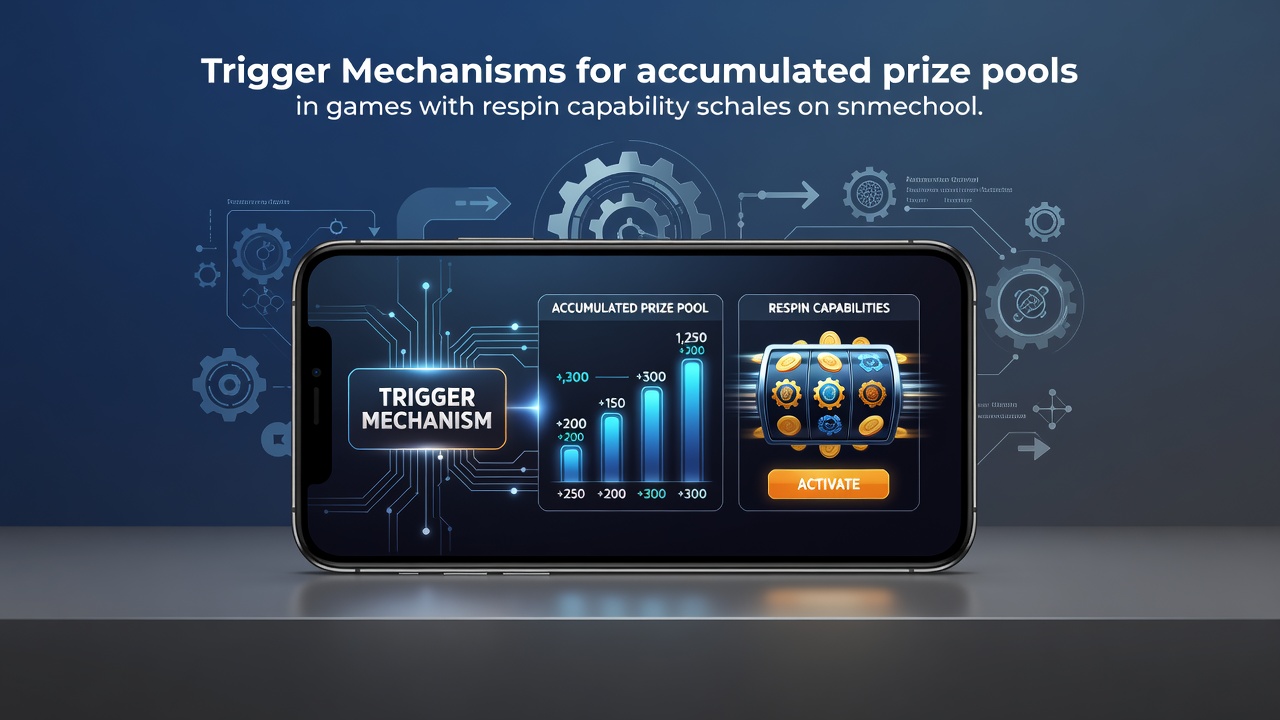
Respin features in mobile slot games allow players to hold certain symbols in place while the remaining reels spin again, and this process often feeds directly into growing prize pools that build across multiple rounds. Data from industry reports shows these mechanics combine random number generation with symbol persistence rules to determine when a respin sequence begins and how contributions accumulate toward larger awards.
Core Components of Respin Triggers
Trigger conditions typically require a minimum number of special symbols such as coins, gems, or bonus icons to land on a single spin, after which the game locks those symbols and initiates the respin cycle. Observers note that providers program these thresholds differently across titles, with some activating on three symbols while others demand four or five before the sequence starts. Research indicates that the accumulation phase adds a fixed percentage of each bet to the prize pool during every respin, creating a running total that increases until the feature concludes.
Smartphone interfaces handle these triggers through touch-based interactions that register symbol selections and confirm hold choices without requiring additional hardware. Studies from mobile gaming laboratories have documented how screen responsiveness affects the timing of player inputs during respin rounds, particularly when multiple symbols appear simultaneously and demand quick decisions before the next spin resolves.
Accumulation Logic and Prize Pool Growth
Prize pools expand through predefined contribution rates that apply to base bets and any additional wagers placed during bonus rounds. According to figures released by the Australian Gambling Research Centre, average contribution rates in respin-enabled titles range between 1 and 3 percent of total stakes, with the exact allocation varying by game volatility settings. These rates feed into either local or networked pools depending on whether the title operates in standalone mode or connects to a shared jackpot system across multiple devices.
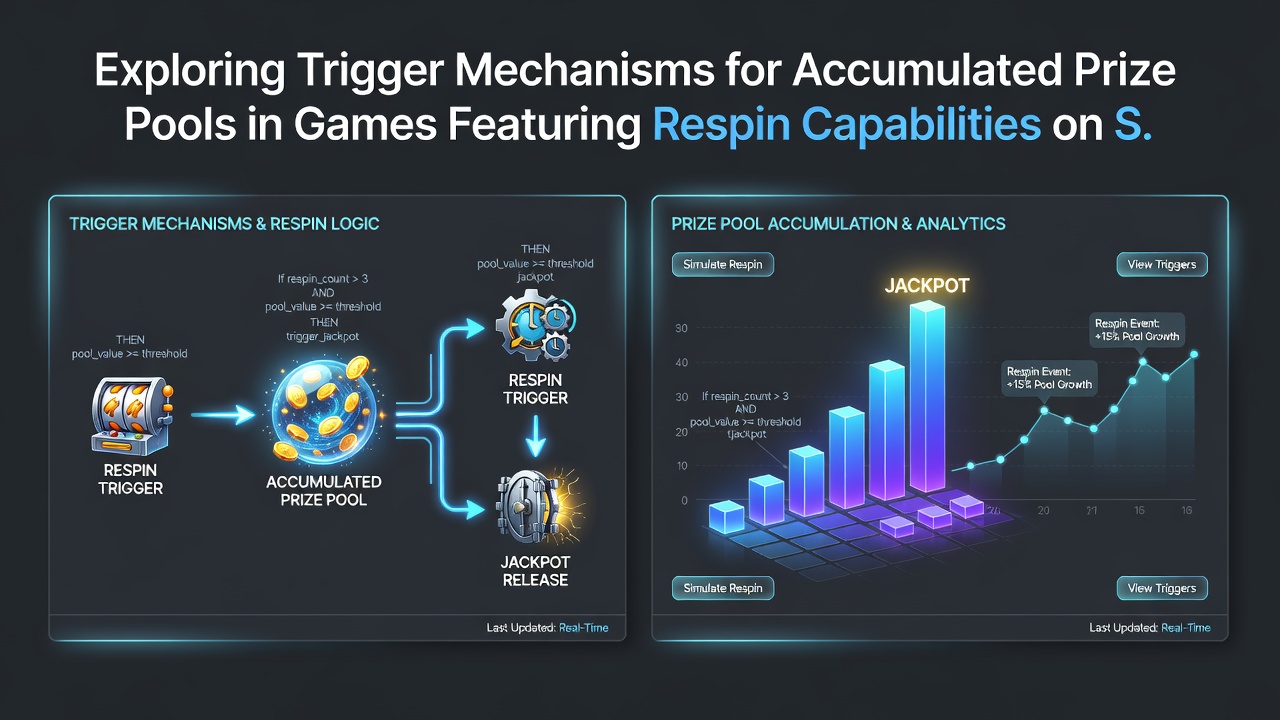
During respin sequences the system evaluates each new outcome against continuation rules, and successful matches extend the feature while unsuccessful ones end the round and award the current accumulated total. Experts have observed that certain titles incorporate multipliers that apply only after a set number of consecutive respins, which further accelerates pool growth before the sequence terminates.
Mobile-Specific Implementation Details
Smartphone applications manage respin triggers through optimized rendering pipelines that maintain consistent frame rates even when multiple symbols remain locked on screen. Performance metrics compiled by the Nevada Gaming Control Board in August 2026 highlighted improved touch latency in updated slot engines, allowing faster recognition of symbol holds and reducing instances where players miss optimal timing windows. Battery consumption also factors into the design, as prolonged respin sequences require efficient processing to avoid excessive drain during extended play sessions.
Network connectivity plays a role when prize pools connect across distributed servers, and mobile titles must handle intermittent connections without losing contribution data or award calculations. Developers address this through local caching mechanisms that sync with central servers once stable connections resume, ensuring accumulation continues uninterrupted from the player perspective.
Symbol Interaction Patterns and Continuation Rules
Additional symbols landing during respins can reset counters, add new locked positions, or apply instant modifiers to the current prize total. Those who analyze game mathematics note that these layered rules create branching outcomes where early triggers may lead to short sequences while sustained symbol arrivals produce extended accumulation periods. Interface designers place visual indicators such as glowing borders or meter fills near locked symbols to communicate remaining opportunities clearly on smaller screens.
August 2026 testing data from several platform providers revealed that games incorporating both respin and collection mechanics saw higher average session durations compared with standard spinning formats, though exact retention figures remain proprietary. The interaction between touch gestures and on-screen prompts continues to evolve as developers refine gesture recognition libraries to accommodate varied player behaviors across different device models.
Conclusion
Trigger mechanisms for accumulated prize pools in respin-capable mobile slots rely on precise combinations of symbol thresholds, contribution rates, and continuation logic that operate consistently across smartphone interfaces. Regulatory data and technical reports demonstrate how these systems balance randomness with structured accumulation phases, while mobile-specific optimizations ensure reliable performance during feature sequences. As device capabilities advance, the integration of these mechanics continues to expand across new titles released by multiple providers.