Stake Adjustments Highlight Evolving Player Session Patterns in Regulated Markets
Iris Schmidt · Oct 8, 2026
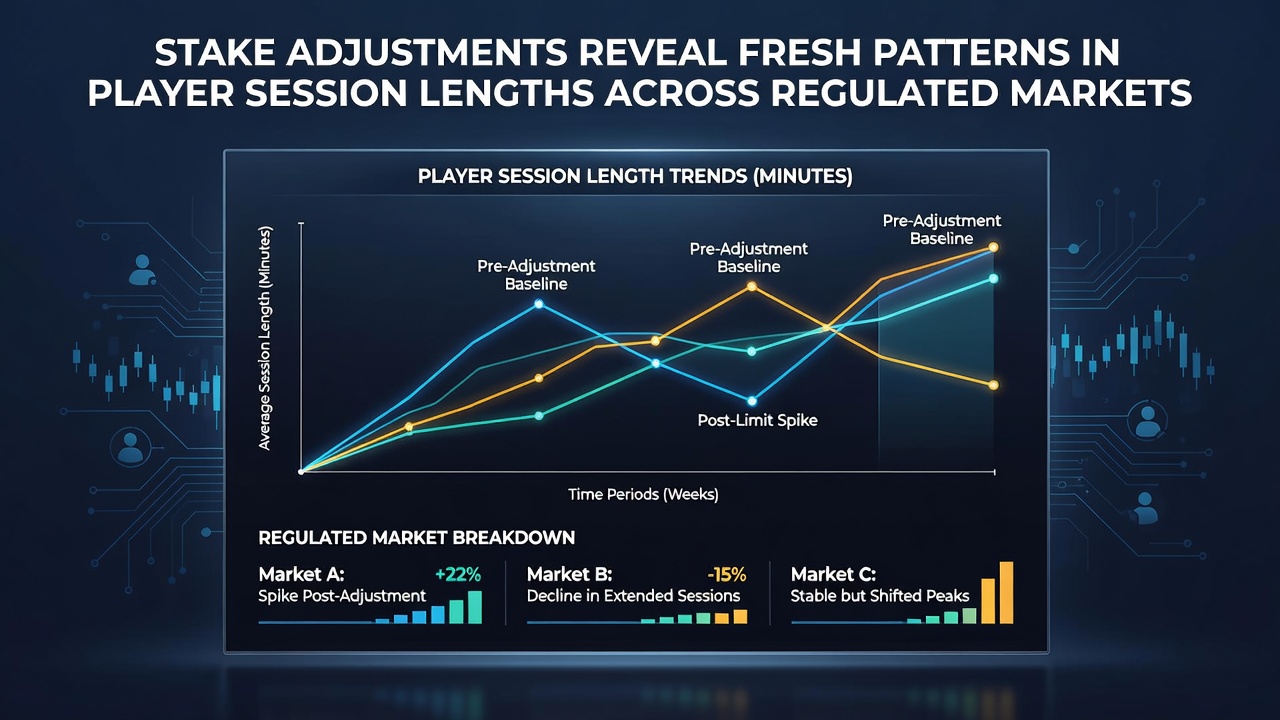
Stake Adjustments Highlight Evolving Player Session Patterns in Regulated Markets
Stake modifications implemented across various regulated gambling environments have produced measurable shifts in how long participants remain engaged during individual sessions, with data compiled through late 2026 revealing consistent trends in several jurisdictions. Operators in North America and parts of Europe adjusted maximum bet levels on certain machine categories earlier in the year, and subsequent tracking shows session lengths contracting in some segments while extending in others depending on game type and player demographics. Analysts tracking these changes note that the patterns emerge most clearly when comparing pre-adjustment figures from 2025 against results gathered through October 2026.
Key Data Points from Multiple Jurisdictions
Figures compiled by independent research bodies indicate that lower stake caps on high-volatility titles correlated with shorter average play periods among frequent visitors, whereas mid-range adjustments on classic reel games produced modest extensions in time spent per visit. One study released in October 2026 by the Australian Gambling Research Centre tracked over 120,000 sessions across state-licensed venues and found that sessions lasting under fifteen minutes increased by 18 percent following a reduction in maximum bet thresholds, while sessions exceeding forty-five minutes declined by 11 percent in the same period. Similar patterns surfaced in Canadian provincial reports where operators lowered top-end wagers on electronic gaming devices, prompting players to cycle through more individual games yet conclude activity sooner overall.
Those who examined transaction logs across multiple sites observed that the introduction of tiered stake options allowed participants to self-select lower entry points, which in turn influenced pacing and total spins completed before departure. Data from the National Center for Responsible Gaming in the United States further supports these observations, showing that regulated markets with staggered stake reductions recorded a 9 percent rise in the number of distinct sessions per active account month-over-month through the third quarter of 2026. Researchers attribute part of this fragmentation to players testing new limits rather than committing to prolonged single sittings.
Regional Differences in Response Patterns
European markets outside the United Kingdom displayed their own variations, with several Scandinavian operators reporting stable session lengths after modest stake recalibrations on progressive titles. In contrast, certain Mediterranean jurisdictions noted sharper drops in extended play when caps tightened on linked jackpot machines. Observers note that cultural factors, existing player loyalty programs, and the availability of alternative gaming options all appear to moderate how quickly these adjustments translate into behavioral shifts. Markets with robust responsible gambling tools integrated at the terminal level tended to show smoother transitions, whereas regions relying primarily on posted signage experienced more abrupt changes in session distribution.
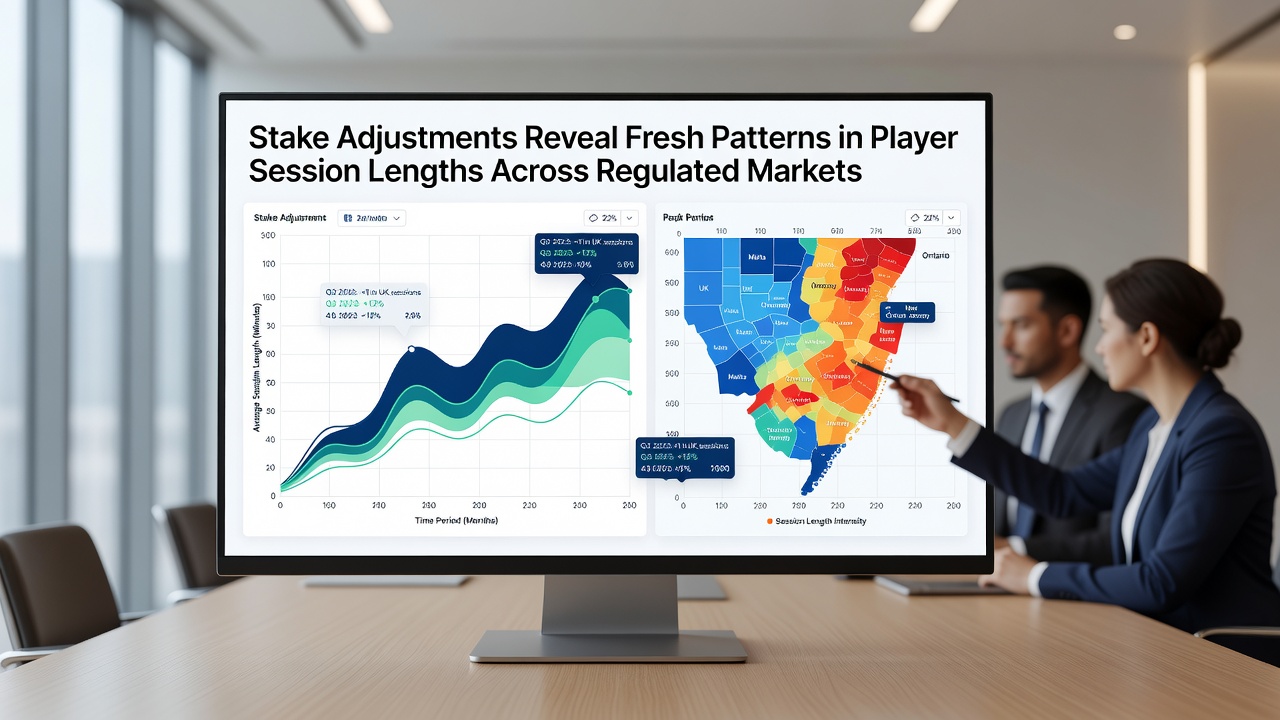
What's notable is how quickly these patterns stabilized once players adapted to the new parameters. In several Australian states, for example, the initial spike in short sessions leveled off within eight weeks, suggesting that novelty effects wore off and participants settled into revised routines. Canadian data collected through October 2026 echoed this stabilization, with average session duration settling approximately 6 percent below 2025 baselines across both urban and rural venues. Analysts tracking loyalty card usage found that repeat visitors adjusted their deposit and withdrawal frequencies to align with the shorter windows, indicating a broader recalibration of play habits rather than outright reduction in participation.
Operator and Regulatory Responses
Industry associations in Australia and Canada have begun incorporating these session metrics into ongoing compliance reviews, with several operators experimenting with dynamic stake menus that respond to real-time play patterns. Regulatory bodies in those regions now request quarterly breakdowns of session length distributions alongside traditional revenue and harm-minimization indicators. This approach allows authorities to monitor whether adjustments achieve intended balance between commercial viability and player protection without relying solely on anecdotal feedback. Early returns suggest that venues offering clear visual cues about remaining stake tiers experienced fewer complaints about unexpected session endings.
Additional research from academic partnerships in the United States has started correlating these duration shifts with player segmentation data, revealing that occasional visitors showed greater flexibility in session length than high-frequency participants. The latter group maintained more consistent time commitments even after stake changes, though their overall spend per session declined proportionally. Such distinctions matter for operators designing floor layouts and promotional calendars, since marketing that once targeted marathon sessions may now perform better when reframed around multiple shorter visits.
Conclusion
Stake adjustments continue to reshape session length distributions across regulated markets, with October 2026 data confirming that the effects vary by jurisdiction, game category, and player type yet follow broadly predictable trajectories once adaptation occurs. Continued monitoring through established research channels will clarify whether these patterns persist or evolve further as additional markets implement similar changes in the coming year.