Symbol Collection Mechanics Drive Longer Sessions in Independent Game Development
Iris Schmidt · Nov 19, 2026
Symbol Collection Mechanics Drive Longer Sessions in Independent Game Development
Independent game studios have refined symbol collection systems into core progression tools that extend player engagement across multiple genres, and data from industry reports shows these mechanics correlate with session lengths that exceed those found in titles without layered collection layers. Researchers tracking play patterns note that when symbols accumulate toward upgrades or narrative branches, players return more frequently because each new piece alters the available options without resetting prior progress. Studios based in North America and Europe have documented similar outcomes where collection grids reward incremental gains rather than binary win conditions.
Core Design Elements in Collection Systems
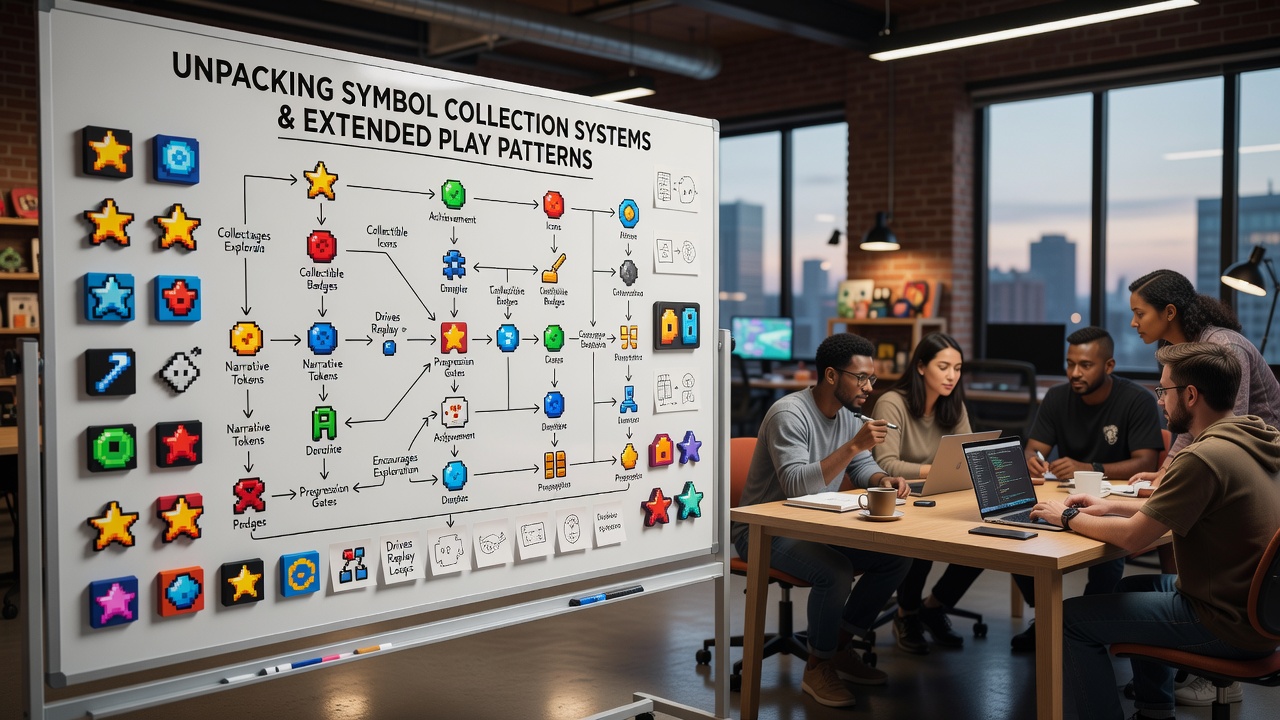
Symbol collection typically operates through visible meters, branching trees, or grid-based inventories that fill as players encounter specific in-game events, and these structures encourage repeated exploration because missing symbols often tie into optional paths that remain accessible after the main objective concludes. Studies conducted by academic groups at institutions such as the University of Alberta have examined how partial collections create tension that resolves only after additional playthroughs. Developers integrate these systems so that symbols interact with environmental changes, meaning a collected icon might unlock shortcuts or alter enemy behavior in subsequent visits to the same area.
Progression Loops and Retention Data
Retention metrics compiled by the International Game Developers Association indicate that games featuring persistent symbol inventories maintain active user bases for longer periods compared with linear experiences, while session frequency rises when collection milestones deliver immediate mechanical feedback rather than delayed narrative payoffs. Independent teams often test these loops during early access phases, adjusting drop rates so that new symbols appear at intervals that sustain momentum without overwhelming storage limits. One studio in Canada reported that players who reached 70 percent collection continued sessions at nearly double the rate of those who stopped earlier, according to internal telemetry shared with regional trade groups.
What's notable is the way these systems scale across different budgets, since smaller teams can implement modular symbol sets that expand through post-launch patches without requiring full engine overhauls. The approach keeps development cycles manageable while giving players reasons to stay engaged months after initial release.
Regional Variations Across Studios
European independent developers have leaned toward narrative-linked collections that tie symbols to character backstories, whereas North American teams frequently pair collections with combat or traversal upgrades that change moment-to-moment gameplay. Australian studios have experimented with seasonal events that rotate symbol availability, creating time-limited windows that drive concentrated play periods around specific calendar dates. Figures released in late 2025 by the Entertainment Software Association of Canada showed that collection-focused titles from independent creators accounted for measurable increases in average playtime across digital storefronts.
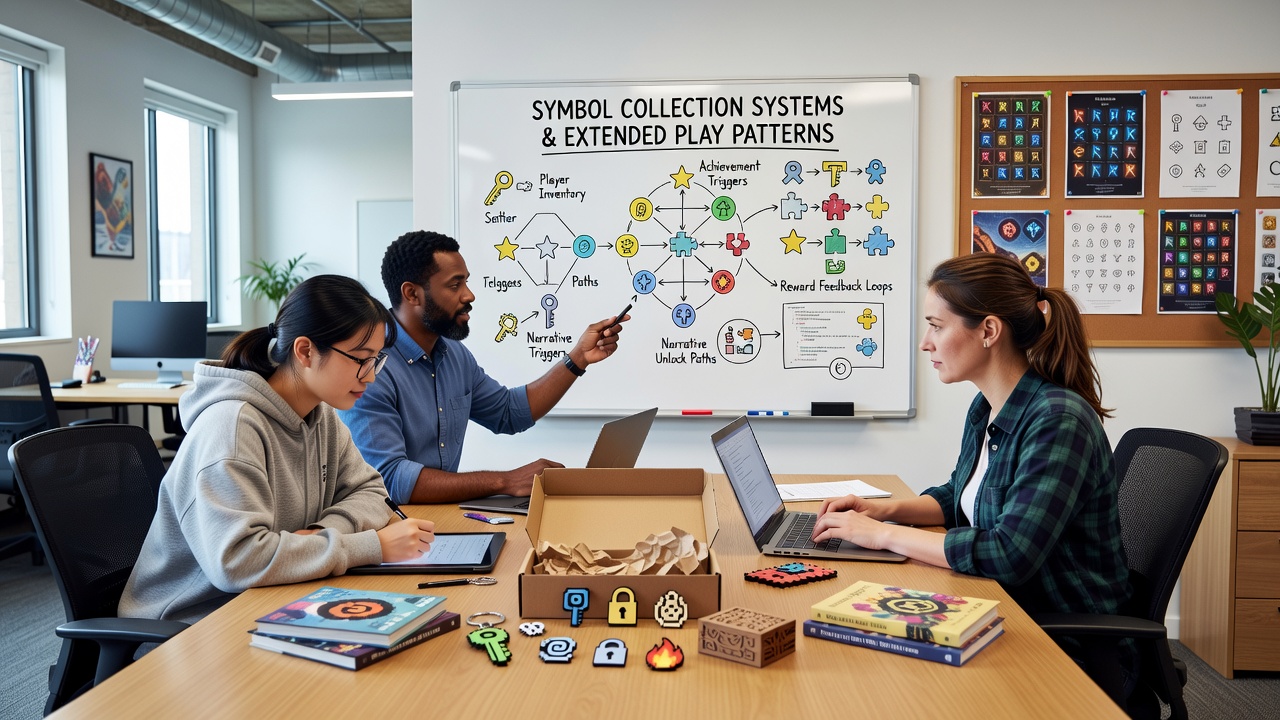
Observers note that November 2026 brings several planned industry showcases where developers plan to present updated collection frameworks, and early previews suggest continued emphasis on cross-save functionality that lets players carry symbol progress between platforms. This continuity reduces friction for those who switch devices mid-session, further supporting extended patterns.
Technical Implementation Challenges
Building reliable symbol tracking requires careful attention to save data integrity and UI clarity, since cluttered inventories can obscure progress and shorten sessions rather than extend them. Programmers at independent studios often rely on lightweight databases that sync across cloud services, ensuring that collection states remain consistent even when network conditions fluctuate. Research papers presented at game development conferences highlight cases where poorly calibrated drop rates led to player drop-off, prompting teams to introduce pity systems that guarantee symbols after repeated attempts.
Yet many studios have found success by allowing symbols to serve multiple purposes, such as functioning as both collectibles and crafting ingredients, which creates overlapping goals that keep players occupied across several systems simultaneously. This layered design appears in titles released throughout 2025 and continues to influence planning for projects slated into 2027.
Conclusion
Symbol collection systems continue to shape how independent game studios structure extended play, with measurable effects on session length and return rates documented across multiple regions and development scales. As technical tools improve and data collection becomes more precise, these mechanics are likely to appear in an expanding range of projects through the end of the decade.